Living with neuropathic pain – What really helps with central pain syndrome
A ray of sunshine that feels like fire. A gentle touch that stings like a needle. For people with central pain syndrome, such stimuli are part of everyday life. What others hardly notice becomes a constant burden for them. What happens? The nervous system sends warning signals - seemingly without any reason or trigger. It is a disorder in the processing of stimuli deep in the brain or spinal cord. Why is this happening? And what helps when pain becomes a permanent condition? We explain this and more in this article. Note: This post is for informational purposes only and...

A ray of sunshine that feels like fire. A gentle touch that stings like a needle. For people with central pain syndrome, such stimuli are part of everyday life. What others hardly notice becomes a constant burden for them. What happens?
The nervous system sends warning signals - seemingly without any reason or trigger. It is a disorder in the processing of stimuli deep in the brain or spinal cord.
Why is this happening? And what helps when pain becomes a permanent condition? We explain this and more in this article.
Note: This post is for informational purposes only and does not replace medical diagnosis or treatment. If you have any health problems, please contact a medical professional.
If you would like to know which complaints massages can specifically help with, you can find it in the article „From head to toe – this is where massages help” practical answers.
When the nervous system switches to pain - and can't find its way back
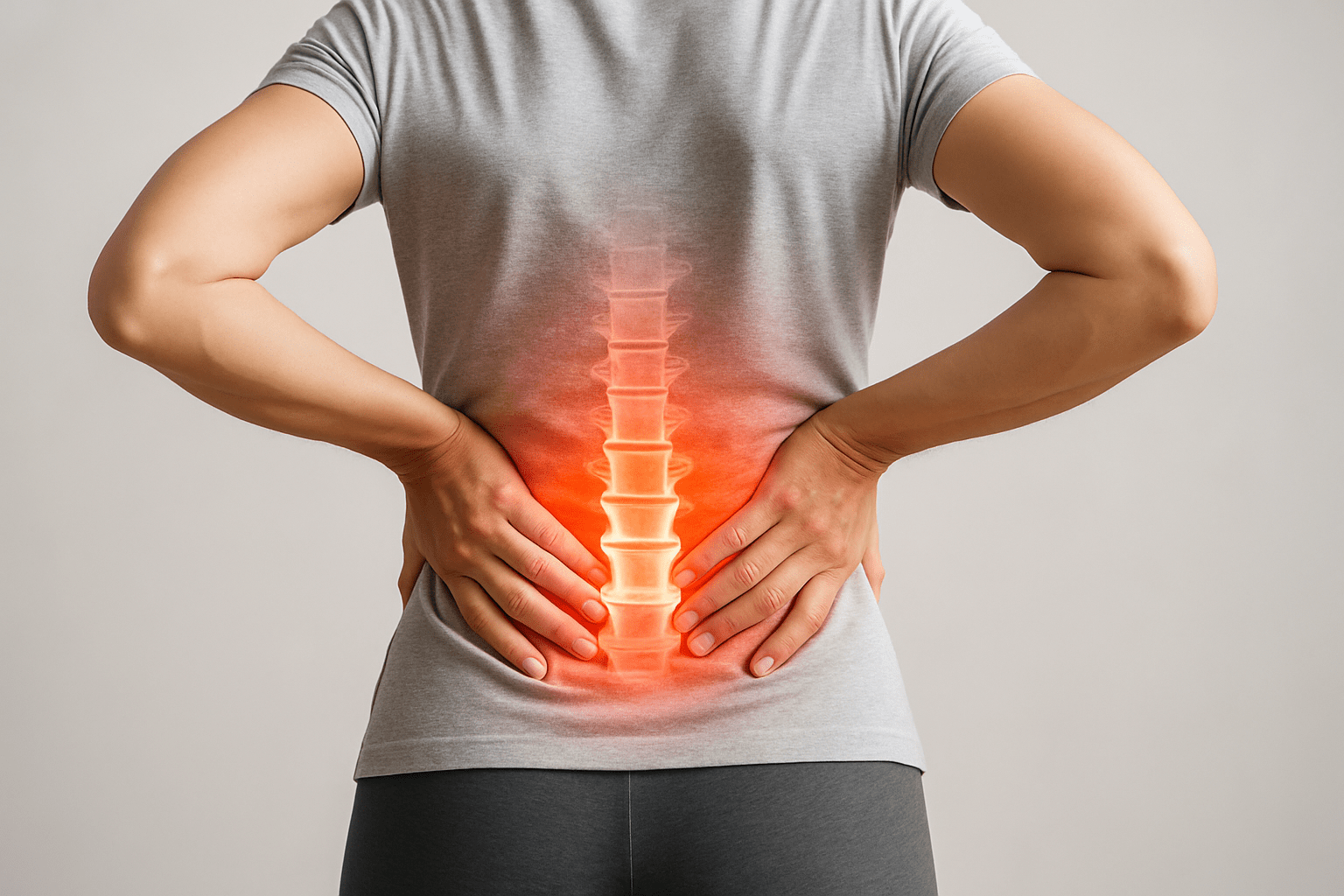
Central pain syndrome (CSS), also known as neuropathic pain, is a form of chronic nerve pain that does not originate in injured muscles or joints - but in the brain. More precisely: in the central nervous system.
It often occurs after neurological events such as a stroke, multiple sclerosis or spinal cord injuries.
The result: The body sends persistent pain signals even though there is no longer an acute cause. Typical of neuropathic pain burning, stinging or electrifying sensations, which can occur suddenly or persist permanently. Those affected often also report Tingling, numbness or hypersensitivity to touch. Sometimes even light contact with clothing or a draft can cause severe pain.
For many people this is difficult to understand - after all, you can't see the pain. And yet he is real. It affects mobility, sleep, mood – and social life.
The good news: Even if medication is often not enough, complementary approaches such as targeted exercise, massages or supportive technologies can help you live better with the disease. That's exactly what this post is about.
How does central pain syndrome develop – and what happens in the body?
When the brain “thinks through” the pain
Normally, pain protects us: it signals danger and motivates us to protect ourselves. But in the case of central pain syndrome, this mechanism has taken on a life of its own. Injuries or illnesses then lead to pain signals being permanently incorrectly processed - even if the original cause has long since subsided.
This is called incorrect processing in the central nervous system. This can lead to sensory overload: harmless touches, changes in temperature or even clothing on the skin are then perceived as extremely painful. The pain pathway is permanently “activated” – without a stop function. This is extremely stressful.
Difference from peripheral nerve pain
In any case, it is also important to differentiate from peripheral nerve pain, such as that which occurs after a herniated disc or nerve entrapment. The cause here usually lies in a specific area of the body. With central pain, the problem lies in the brain or spinal cord.
Typical triggers are:
-
Strokes, particularly when areas such as the thalamus or sensory pathways are affected.
-
Multiple sclerosis, due to inflammation in the central nervous system
-
Paraplegia or spinal cord lesions
-
Brain injuries after accidents or operations
-
Also Diabetes or shingles can damage nerves and thus trigger this form of pain.
Since this pain is neurologically caused, it often only responds to a limited extent to classic painkillers. This makes it all the more important to take a broader look at supporting strategies - from relaxation techniques to body awareness to massages that can have a targeted effect on the nervous system.
Reading tip: You can find out more about the approach to pain management in our article: „Pain management - “Understanding pain and achieving a better quality of life”
Symptoms & typical pain descriptions for neuropathic pain

The treatment of central pain syndrome usually requires a holistic approach. Medications such as antidepressants or anticonvulsants are also sometimes used to dampen the overactive perception of pain in the brain - of course this does not lead to a cure. A combination of different methods is often necessary to achieve relief.
Physiotherapy, occupational therapy or exercise therapy play an important role. In addition, psychological support helps to live better with pain, to structure everyday life and to cushion emotional stress - because chronic pain affects the psyche at least as much as the body.
For this reason, multimodal pain therapy has proven particularly useful. So an interdisciplinary approach that combines medical, therapeutic and psychosocial treatment. The aim is not only to treat the pain, but also to make life worth living again - step by step, individually adapted and with realistic expectations of the treatment.
What helps with neuropathic pain?
There are hardly any standard solutions here. The causes, manifestations and personal feelings are too different. What brings relief to one person has little effect on another. This multimodal approach, which is intended to address different levels, is all the more important.
Medication – important, but often not sufficient
Therapy usually begins with drug approaches. Antidepressants, anticonvulsants (have a pain-reducing effect on overactive nerve cells) or painkillers are mainly used here. They are intended to dampen the disturbed processing of stimuli in the central nervous system.
However, many sufferers report that medication is rarely sufficient or is associated with undesirable side effects. That's why modern pain therapies also rely on physiotherapy, occupational therapy and psychological support.
Movement, therapy, support – the multimodal concept
Exercise can help to reconnect the body, strengthen muscles and process stimuli better. Conversations with psychotherapists can also be valuable, not because the pain is “imaginary”, but because chronic pain also puts a lot of strain on the psyche.
This type of multimodal pain therapy is often offered in specialized pain clinics with the aim of giving patients new tools for everyday life.
What can those affected by central pain syndrome do themselves? – Strategies for everyday life
Even if central nerve pain cannot simply be “trained away”, there are many ways to actively deal with it.
-
movement in the low-pain area helps to restructure the nervous system.
-
Relaxation techniques such as breathing exercises, progressive muscle relaxation or mindful body work can relieve tension and positively influence the processing of stimuli in the brain.
-
Stimulus reduction plays a major role: Some sufferers benefit from consciously avoiding loud noises, bright lights or rough clothing. All of these are stimuli that can further overwhelm the sensitive nervous system.
-
Massages: Especially a gentle version like Shiatsu can help calm the nervous system. It promotes blood circulation, relieves slight tension and creates uniform stimuli that can override the feeling of pain. Many sufferers report relief, especially in the neck and shoulder area, because targeted massages can help. Relieve neck pain and calm the nervous system.
Reading tip: You can find out more about the effect of massage on the nervous system in our article „How massage affects the nervous system.
Massage chair to support chronic nerve pain
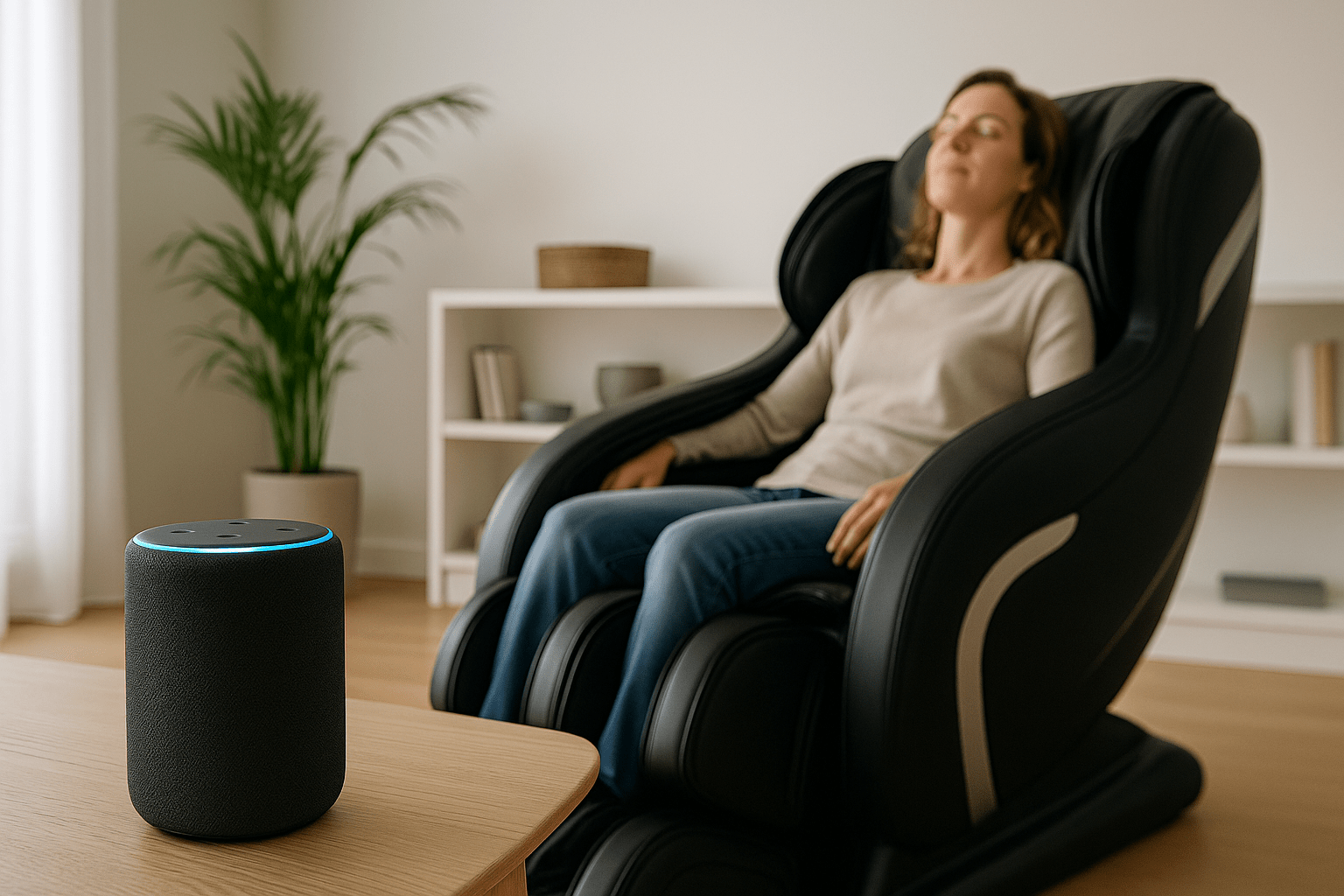
In some cases, massage chairs can be a gentle but effective companion in everyday pain management. Flexible use in everyday life in particular brings great advantages. Of course, they do not replace medical therapy, but they offer a way to experience physical and emotional relaxation in the comfort of your own home.
What makes them special: The adjustable intensity enables use adapted to the day's form - gentle, pressure-free and without physical exertion. Air pressure massages using airbags surround arms and legs with even impulses, Heat functions calm overstimulated nerve pathways and help reduce muscle tension. This all happens passively, without you having to actively do anything - ideal for times when pain dominates.
Models that take sensitive sensibilities into account are particularly suitable - like this MSW-300, which scores with gentle pressure distribution and adjustable massage programs. In addition to massage chairs, tools like these can also be used Massage gun offer targeted stimulation - but with caution in very sensitive areas.
Note: You can also find an overview of suitable massage chairs in our Health collection, which is specifically designed to meet therapeutic needs.
Understanding pain – and finding new ways
The diagnosis of “central pain syndrome” is a turning point in life that can turn everyday routines upside down. Optimism and understanding are therefore essential to regain control here. Anyone who understands what is happening in the body can take targeted countermeasures. Whether after a stroke, MS or chronic nerve pain - unfortunately there is no patent solution, but there are many small adjustment screws that you can adjust.
Massage chairs are just one of them and are not part of traditional medicine - but many people experience them as valuable support in everyday life. They provide calm, structure and stimulus that can help the nervous system calm down. Maybe this is exactly the right way to get back to everyday life. Not because the pain goes away. But because you decide how you deal with it.
Tip: A look at our section “Massage chairs in health & rehabilitation” It's worth it, there you'll find models that have been specially developed for sensitive needs.
Mitgründer und Geschäftsführer der Massagesessel Welt. Mit seinem Expertenwissen und seiner Branchenkenntnis hilft er, Privatpersonen und Unternehmen zu passenden Massagesessels für Entspannung, Gesundheit und Vitalität zu finden. Die individuelle Fachberatung erfolgt sowohl telefonisch oder per Videochat, als auch in der Ausstellung vor den Toren Stuttgarts.