Herniated disc: symptoms, causes and preventive measures
A strong back can also be delightful. Did you know that an elephant spends most of its life standing, even when it is sleeping? Of course, this is not an option for us humans. Our backs in particular need regular relief, which it receives while we sleep. Our spine also needs movement to stay healthy. But what happens if one of the most important structures in our back, the intervertebral discs, causes problems? In this article you will learn more about the topic of a herniated disc, its symptoms and treatment options and whether a massage can provide relief from...

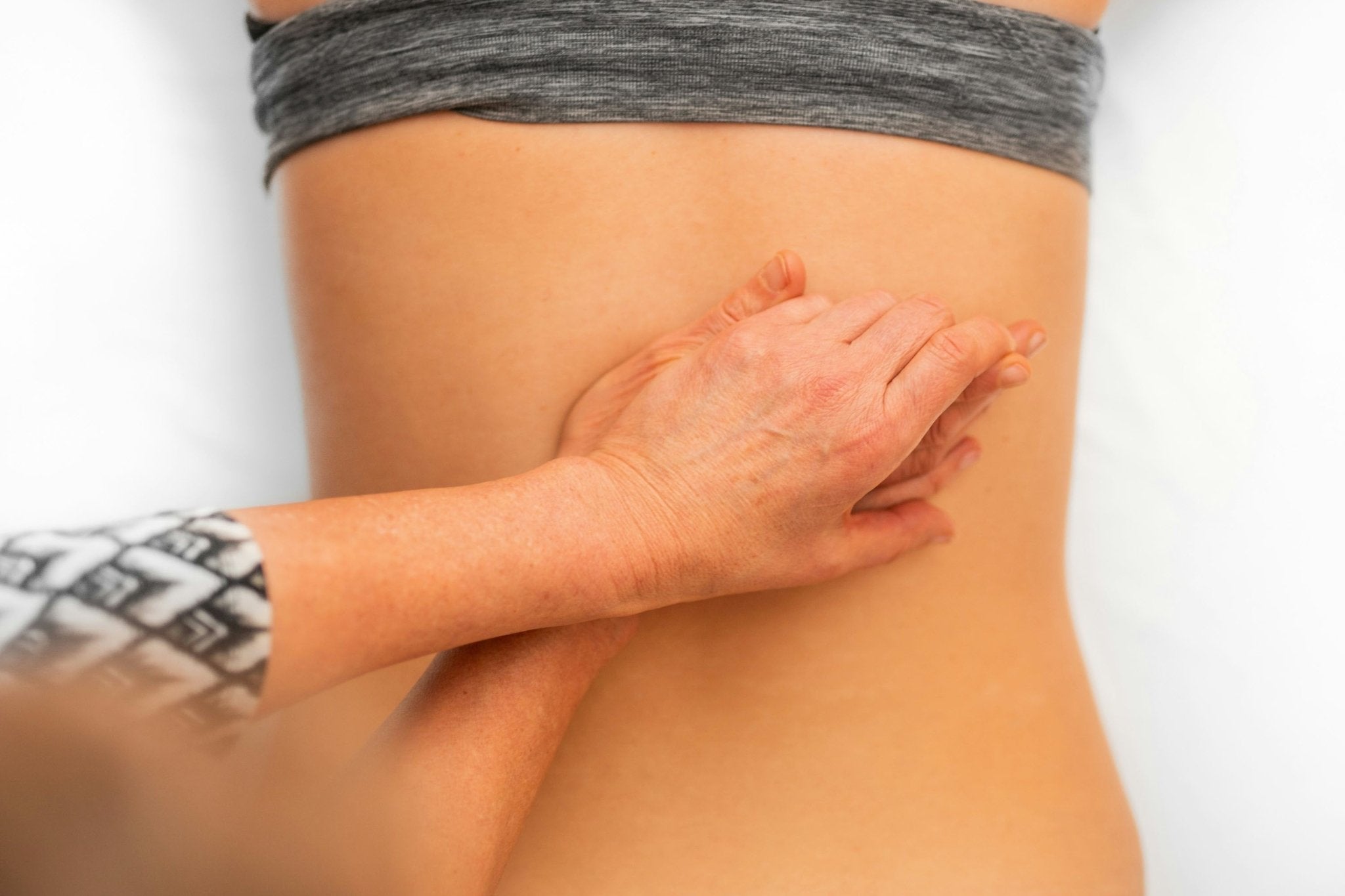
A strong back can also be delightful. Did you know that an elephant spends most of its life standing, even when it is sleeping? Of course, this is not an option for us humans. Our backs in particular need regular relief, which it receives while we sleep. Our spine also needs movement to stay healthy.
But what happens if one of the most important structures in our back, the intervertebral discs, causes problems? In this article you will learn more about the topic of a herniated disc, its symptoms and treatment options and whether a massage can provide relief from a herniated disc.
Reading tip: You can find out more about the diverse effects of massages in our article From head to toe - massages can help here.
Note: Our contribution cannot replace medical expertise. If you suffer from persistent pain, be sure to consult a doctortin.
Let's start the topic with a basic question in order to understand how these extremely annoying and often painful complaints can come about.
What is a herniated disc and what pain does it cause?
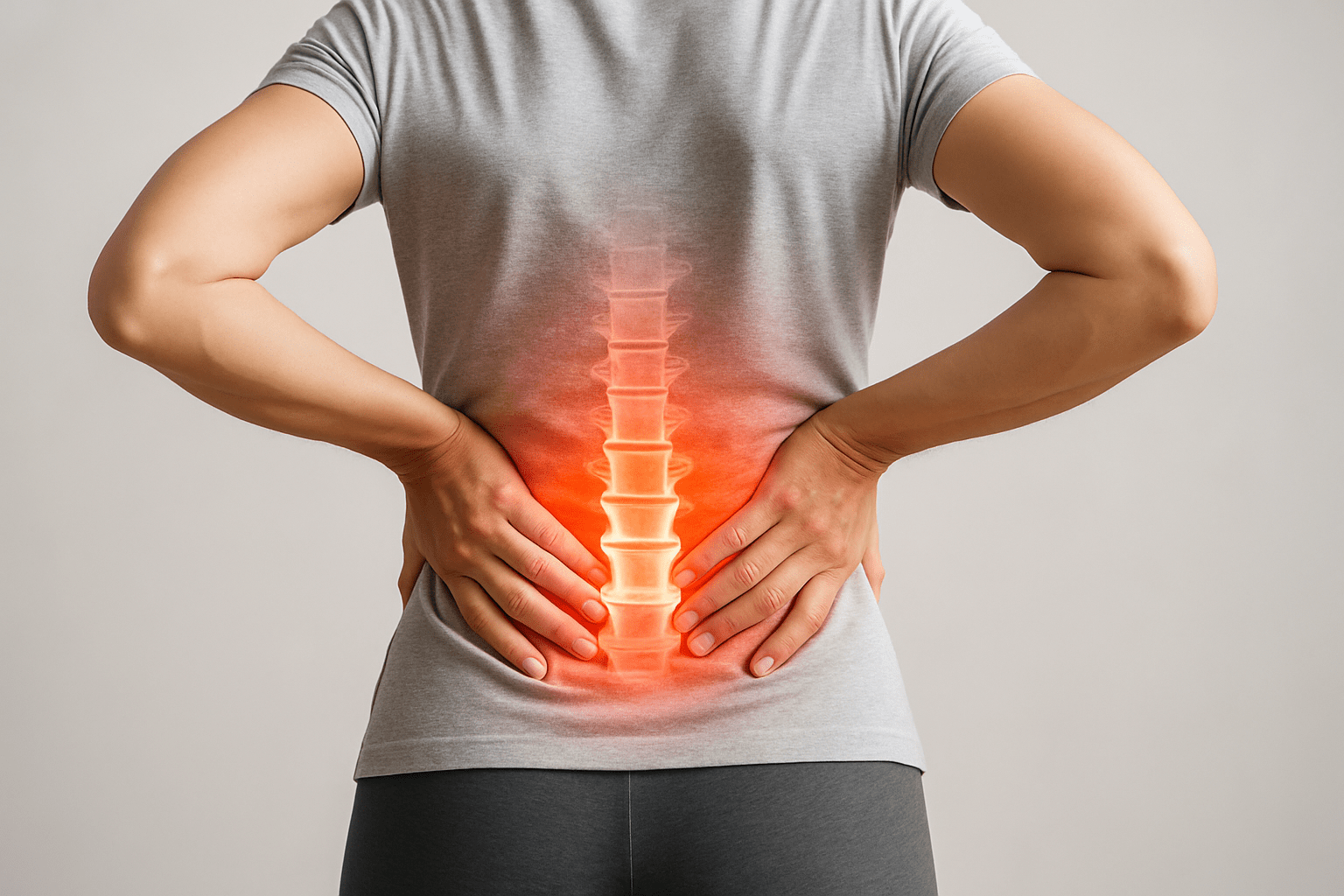
A herniated disc occurs when the inner core of a disc is pushed out by a tear in the outer ring. This can cause pain, numbness and even paralysis if nerve roots or the spinal cord are affected.
While a herniated disc can cause serious problems such as back pain, which is usually located at the bottom, it is often confused with other back conditions such as lumbago, which is usually caused by muscle tension and causes less serious symptoms. A look at the structure of our intervertebral discs helps us to better understand how herniated discs can occur.
Reading tip: You can find out more about measures for back pain in our article on Symptoms, causes and treatment of back pain.
What does an intervertebral disc look like?
Our spine consists of individual vertebrae, between which the intervertebral discs are located. These act as shock absorbers and consist of a soft, gelatinous core, the nucleus pulposus, and a solid outer ring, the annulus fibrosus.
This structure allows the intervertebral discs to absorb pressure and stress, thereby ensuring mobility and stability of the spine. What happens when these structures are damaged and how does this manifest itself?
Herniated disc and its symptoms - what does a damaged disc feel like?

Source: https://www.helios-gesundheit.de/magazin/news/02/bandscheibenvorfall/
A herniated disc can cause a variety of symptoms, which vary depending on the location and severity. Severe pain often occurs, which can radiate to the extremities. A herniated disc in the lumbar spine (lumbar spine) often causes pain in the lower back that can radiate down the leg, known as sciatica pain.
If there is a prolapse in the cervical spine (cervical spine), the pain often radiates into the arms and hands. In the thoracic spine (BWS), pain in the upper back and chest area is typical. In addition to the pain, numbness, tingling or even paralysis can also occur. In women, the pain can also more often cause a feeling of nausea in addition to severe pain.
Reading tip: Pain that is difficult to localize or radiates can have a variety of causes. In our article about wandering joint pain we have dedicated ourselves specifically to this topic.
Let's take a look at what factors actually lead to a herniated disc and how it is diagnosed.
Causes, risk factors and diagnosis of herniated discs
A herniated disc usually occurs as a result of age-related wear and tear and degenerative changes in the intervertebral discs. Risk factors such as obesity, lack of exercise and poor posture can increase wear and tear and therefore the risk. Heavy physical work and awkward lifting movements also put additional strain on the intervertebral discs.
For diagnosis, imaging techniques such as MRI or CT are usually used to determine the exact location and extent of the incident. Damage to the ring of the intervertebral disc can be visualized and the affected areas can be identified.
Because of the radiating pain, those affected often only have a vague idea of what level of the spine the cause could be. Once the affected disc is located, your doctor will create an appropriate treatment plan.
What is the treatment for herniated discs?

Depending on the severity, medical professionals will resort to appropriate forms of treatment. In many cases, conservative therapy is sufficient. Painkillers and anti-inflammatory medications relieve the symptoms.
Physiotherapy is also recommended for a herniated disc. Work is done to strengthen the muscles of the affected region and sustainably improve mobility. Targeted exercises such as the bridge, float or cat hump are particularly effective. In severe cases, surgery may be necessary to relieve pressure on the nerves caused by the damaged disc.
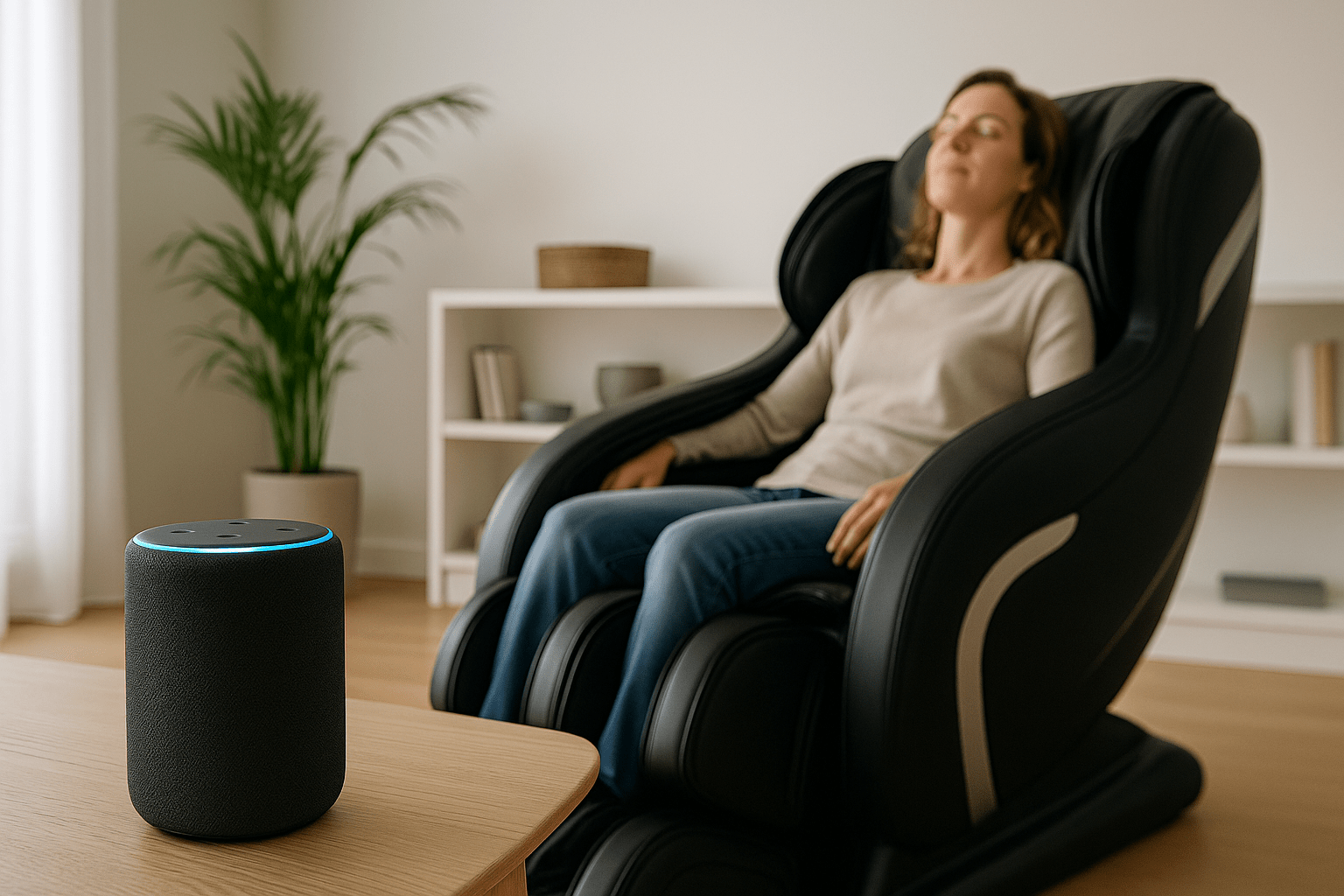
As home remedies, heat therapy or massages can help relax the surrounding muscles. They provide temporary relief, but should only be used after consulting a doctor, as improper use can worsen the symptoms.
Can a herniated disc be caused by massage?
The question of whether massage can cause a herniated disc is often asked. In principle, massages cannot cause a herniated disc. Rather, they serve to relax the muscles and relieve pain. However, it is important that massages are carried out professionally.
Particularly if you have existing back problems, improper massages or massages that are too forceful can worsen existing symptoms or lead to further problems. Therefore, you should always seek medical advice before using massage for a herniated disc.
Reading tip: We addressed the effect that massages could cause pain and suffering in our article Muscle pain after massage dedicated.
Our goal, of course, is to prevent a herniated disc from occurring in the first place. So let's take a look at what you can do about it.
Prevention of herniated discs: exercises and other tips
It sounds like the holy grail and almost too simple to be true, but to prevent a herniated disc, regular exercise is essential. But the fact that an active lifestyle cannot always be combined with our everyday lives often makes it a challenge and explains why so many people are affected by herniated discs.
Sports such as swimming, yoga and Pilates strengthen the back muscles and promote mobility, while they can be exercised gently and moderately. Targeted exercises such as forearm support or leg raises also help to stabilize the muscles.
In addition to exercise, the right mattress also plays a crucial role. Because unlike our beloved elephants, the sleep phase for us also serves to relax and relieve the strain on the spine. But which mattress is suitable for a herniated disc? A mattress that supports the natural curvature of the spine and provides sufficient support can prevent pressure points and relieve pressure on the spine.
What else should those affected pay attention to in order to prevent back pain and promote the health of the spine?
Watch your back and it will thank you
Unlike an elephant's back, which does not require any special care even when sleeping, we humans require special care. Our everyday lives and the lack of exercise that is often associated with it place increased strain on our spine. An active lifestyle and targeted measures can alleviate and even prevent the symptoms of a herniated disc:
- Regular exercise and sport strengthen your muscles and promote mobility.
- Additionally, promote the stability of the spine with targeted exercises to prevent a herniated disc.
- A suitable mattress also supports the natural curvature of the spine and prevents pressure points.
- Professional massages and heat therapy can help relax the muscles and relieve pain. They are also an excellent addition to regular exercise.
We recommend always listening to your body’s signals and seeking medical help in a timely manner. The best strategy for a healthy back is a certain amount of proactivity to strengthen your back preventatively. Remember: An active lifestyle, but also increased awareness of your body and the time you should take for it, minimize your risk of a herniated disc, as well as numerous other complaints.
Cover image: Benjamin Wedemeyer, additional images: Helios.de, Stocksnap
Mitgründer und Geschäftsführer der Massagesessel Welt. Mit seinem Expertenwissen und seiner Branchenkenntnis hilft er, Privatpersonen und Unternehmen zu passenden Massagesessels für Entspannung, Gesundheit und Vitalität zu finden. Die individuelle Fachberatung erfolgt sowohl telefonisch oder per Videochat, als auch in der Ausstellung vor den Toren Stuttgarts.